The Allure of Chance and Luck
The concept of chance and luck plays a pivotal role in the psychology behind casino games. Humans are naturally drawn to unpredictability; the thrill of not knowing the outcome creates a sense of excitement. This unpredictability is enhanced by the gambling environment, which often feels charged with anticipation. For many players, the chance of hitting it big acts as a powerful motivator that keeps them returning to the tables, continuously engaging with the tantalizing possibility of life-changing wins. In addition, seeking out the best betting sites australia can further amplify the excitement and enhance their overall experience.
This attraction to chance can also be linked to psychological phenomena such as the gambler’s fallacy, where individuals believe past losses increase the likelihood of future wins. Players may convince themselves that a win is “due” after a streak of losses, often leading them to gamble more aggressively. This misjudgment can heavily influence betting behavior, creating a psychological spiral that can lead to excessive play, underscoring the complex interplay between belief and behavior in gambling. The dichotomy of hope and despair is a crucial part of the emotional rollercoaster that players experience.
Moreover, the design of casino games capitalizes on the human desire for risk and reward. Many games incorporate elements that increase suspense, such as countdowns or bonuses, which heighten emotional stakes. This design not only amplifies the experience but also makes players more likely to return, reinforcing the psychological draw of casinos. The excitement generated by chance and luck thus becomes a double-edged sword, simultaneously alluring and potentially hazardous for players. Understanding this allure can help illuminate why people often return to gambling despite knowing the risks involved.
The Role of Reward Systems
Reward systems in casino games are meticulously crafted to enhance player engagement and retention. When players win, their brains release dopamine, a neurotransmitter associated with pleasure and satisfaction. This chemical reaction makes the act of winning incredibly rewarding, and it can condition players to seek out more of that feeling. The anticipation of a potential win can be equally stimulating; many players find themselves drawn into the action by the excitement of what could happen next. This biochemical response is a powerful motivator, often leading players to chase that high with each spin of the wheel or roll of the dice.
The experience of winning, no matter how small, reinforces the behavior of gambling. Casino operators often use small rewards to create a sense of frequent winning, known as “near misses.” While near misses do not constitute actual wins, they evoke emotional responses that can boost a player’s desire to continue gambling. This psychological trickery enables casinos to maintain engagement and maximize profits, as players often chase the high generated by these near-misses as they build a narrative of success in their minds. The illusion of being close to a win can be just as addictive as the win itself.

The compulsion to chase after rewards can lead to problematic gambling behaviors as well. Players may find themselves trapped in a cycle of betting higher amounts to recapture feelings of euphoria from past wins. This cycle of reinforcement not only impacts the players’ financial health but can lead to broader psychological repercussions, such as addiction. Understanding these reward systems is crucial for both players and regulators seeking to create healthier gaming environments. Recognizing how these mechanisms work can empower players to make more informed decisions about their gambling habits.
The Environment and Atmosphere of Casinos
The physical environment of a casino greatly influences players’ psychological experiences. Lighting, sound, and overall design are carefully engineered to create an atmosphere that is both inviting and exhilarating. For instance, bells and whistles often accompany wins, reinforcing positive feelings and crafting an ambience that feels celebratory. Additionally, vibrant colors and engaging layouts tend to stimulate excitement and prolong customer stay, leading to increased spending. Every element of the casino’s design is intentional, aimed at capturing players’ attention and enhancing their overall experience.
The design of casinos often reduces players’ awareness of time, ensuring that they remain engaged and immersed in the gaming experience. For example, the absence of clocks and windows can create a disorienting effect, making it easy for players to lose track of time. This phenomenon can lead to prolonged gambling sessions, with players unaware of the hours that have passed. The architectural choices made in casinos serve to enhance this sense of immersion, making gambling feel like a timeless escape. In this environment, players often succumb to the allure of “one more game,” continually justifying their decisions to play longer.
Furthermore, the social dynamics within casinos contribute to the psychological allure. The presence of other players, the shared excitement, and the atmosphere of competition all add layers to the gambling experience. Social interaction can amplify emotional highs and lows, as players feed off one another’s reactions to wins and losses. This communal aspect can create a sense of belonging and excitement, encouraging players to engage in gambling for social as well as personal gratification. The blend of social interaction and individual stakes makes the casino a unique psychological landscape.
Psychological Impact of Losses
The psychological impact of losing in casino games can be profound. Losses can evoke feelings of frustration, shame, and even anger, which can lead to a desire to recover those losses through further gambling. This negative emotional response can create a cycle whereby individuals continue betting in hopes of reversing their fortunes, often leading to even greater financial and emotional distress. The concept of loss aversion suggests that people tend to prefer avoiding losses over acquiring equivalent gains, making the experience of losing particularly painful. This intense emotional reaction can cloud judgment, further entrenching players in their gambling habits.
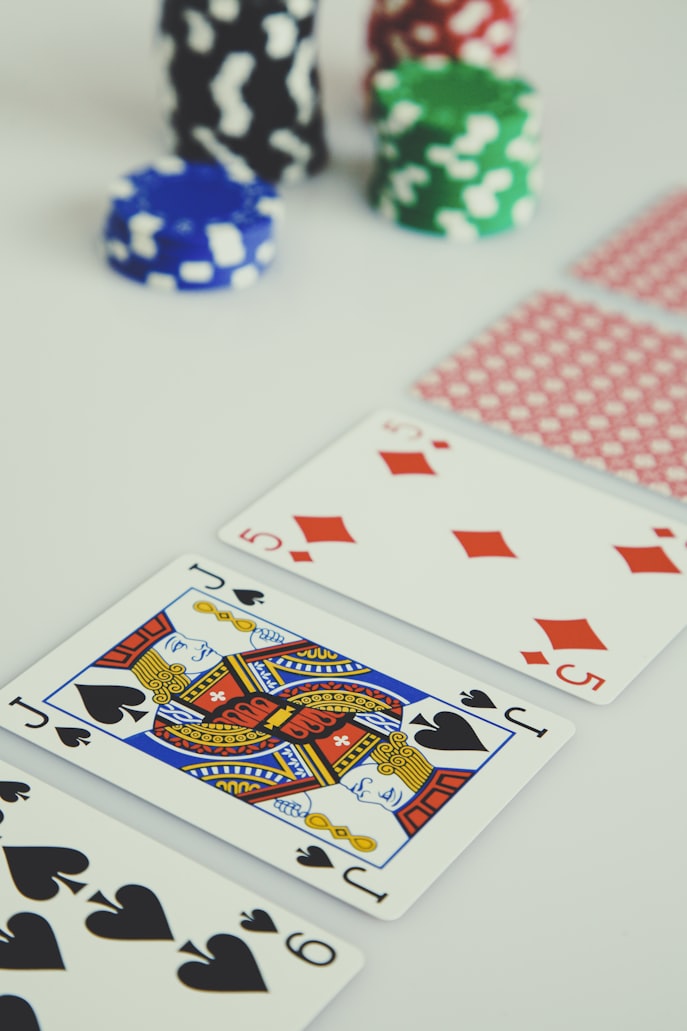
Consequently, the weight of losses can be compounded when players experience a series of defeats. This can lead to a phenomenon known as chasing losses, where players attempt to win back what they have lost, often in increasingly reckless ways. The psychological toll of this behavior can lead to deeper issues, including addiction, as the individual grapples with the compulsion to keep playing despite negative outcomes. Understanding the psychology behind losses helps underscore the importance of responsible gambling practices. Recognizing the emotional triggers of loss can empower players to take proactive measures to mitigate their risks.
Moreover, the emotional aftermath of losses can diminish the enjoyment derived from playing gambling games. When the primary focus shifts from entertainment to recovery, the initial thrill of the game is overshadowed by stress and anxiety. This shift in focus can also affect social interactions within the casino environment, as players may become more withdrawn or irritable. Addressing the psychological effects of losses is crucial for fostering healthier gambling habits and promoting awareness of responsible gaming strategies. Encouraging discussions about loss and its emotional ramifications can help players navigate their experiences more effectively.
Resources for Understanding and Managing Gambling Behavior
For individuals seeking to understand and manage their gambling behavior, numerous resources are available. Many organizations offer educational materials and support for problem gamblers, highlighting the importance of being aware of one’s tendencies. These resources emphasize the psychological aspects of gambling, such as recognizing triggers and developing coping strategies to mitigate risks associated with excessive gambling. By providing accessible information, these organizations aim to empower players with the tools they need to make informed choices.
Online platforms are also increasingly becoming valuable resources for players. Many websites provide tools for self-assessment, helping individuals gauge their gambling behavior and identify potential red flags. Through educational content and community support, these platforms aim to empower players with knowledge and promote safer gambling practices. By understanding the psychological dynamics at play, players can make more informed decisions about their gambling habits. Engaging with supportive communities can also provide a sense of camaraderie and shared understanding.
Additionally, professional help is accessible for those who find themselves struggling with compulsive gambling. Counseling and therapy options tailored for gambling addiction can offer effective guidance for recovery. These services often address the underlying psychological issues while providing strategies to deal with triggers and develop a healthier relationship with gambling. By prioritizing mental health and awareness, players can create a more sustainable approach to gaming. Seeking help is a vital step towards understanding one’s relationship with gambling and fostering a healthier lifestyle.